
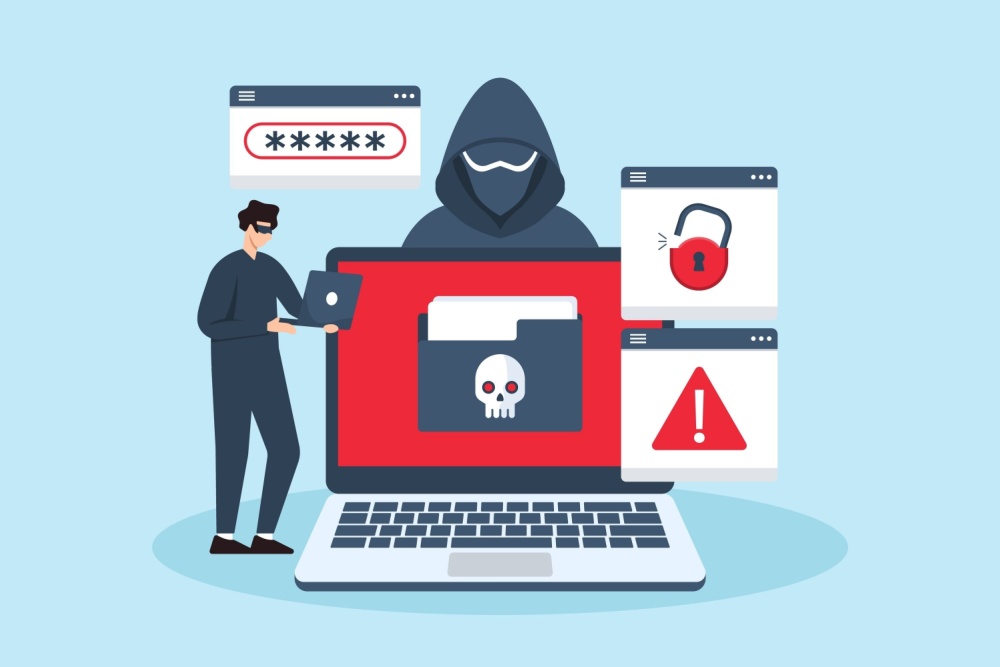

Nobody pictures a security breach starting with Karen from Communications.
But here’s the uncomfortable truth: the hoodie-clad hacker tunneling in from a basement server farm is mostly a movie version of cybersecurity. In the real world, breaches rarely smash through defenses. Instead, they walk straight through the front door — using legitimate credentials, during perfectly ordinary workdays.
No alarms, no dramatic hacking scenes. Just someone logging in.
The Quiet Risk of Privilege Creep
Security professionals have a name for one of the most common causes of these incidents: privilege creep.
It happens slowly and almost invisibly:
- Someone gets temporary admin rights for a one-time project.
- A consultant receives elevated access during a system migration.
- A new employee is added to “just a few” shared drives.
The project ends, the consultant leaves, and the employee moves to a different team. But the permissions remain.
In platforms like Microsoft 365 or Google Workspace, organizations can end up with dozens of people quietly holding access privileges that nobody is actively tracking — sometimes even more access than the IT team realizes.
This isn’t really a hacker problem: It’s a housekeeping problem with potentially catastrophic consequences.
How Most Breaches Actually Begin
Contrary to popular belief, most breaches don’t begin with highly sophisticated malware.
They start with something far more mundane:
- A storage bucket accidentally left open
- A folder that somehow became public
- A single phished account that happened to have admin rights
Once an attacker has access to an over-privileged account, the situation escalates quickly. They’re no longer just inside your system — they may effectively be running it.
The technology didn’t fail. In fact, it worked exactly as designed. And that’s precisely the problem.
Why Mission-Driven Organizations Are Especially Vulnerable
Mission-driven organizations — nonprofits, foundations, and lean teams doing meaningful work — often feel this risk most acutely.
These environments typically operate with:
- Small IT teams
- Tight budgets
- A culture built on trust and open collaboration
Access is granted generously because people need to move quickly and collaborate widely. And attackers know this. They don’t need dozens of vulnerabilities, because just one over-privileged account can unravel everything.
The Good News: The Fix Isn’t Exotic
The solution to privilege creep isn’t complicated technology, it’s disciplined operational hygiene.
Organizations that reduce their exposure typically implement practices such as:
- Least-privilege access — giving people only what they truly need
- Regular permission audits
- Temporary elevated access that automatically expires
- Clear ownership of identity and access management
Teams that take these steps don’t eliminate risk entirely — no organization can. But they dramatically reduce the blast radius when something inevitably goes wrong.
The Risk Already Inside the Building
We often imagine cybersecurity as a battle against clever outsiders trying to break their way in. But in many cases, the exposure is already inside the building — accumulating quietly, one forgotten permission at a time.
Which leads to a question worth pausing over: Who in your organization still has access they no longer need — and does anyone actually know?
Want to learn more? Cybersecurity is part of our genetic code! CGNET has been offering cybersecurity assessments, user training, penetration testing, and more for both large and small-scale organizations. We’ve been doing this for decades, serving clients all over the world. I would love to answer any questions you may have! Please drop me a line at g.*******@***et.com.



0 Comments