
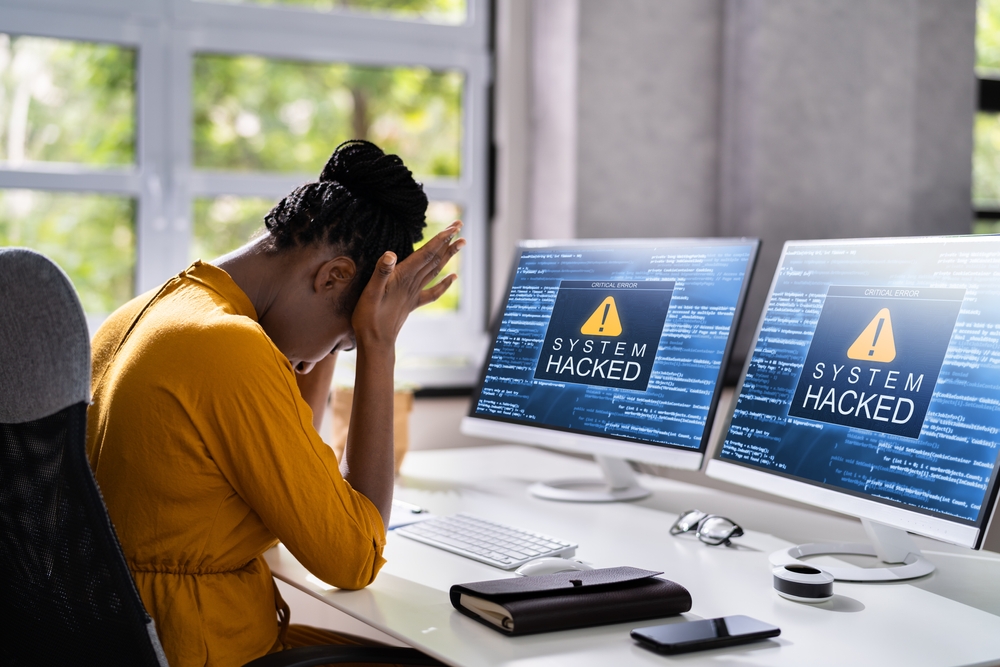

Most cybersecurity conversations end at prevention. And of course, things like firewalls, MFA, awareness training, and zero trust are all important and necessary.
But here’s the uncomfortable reality: Even well-prepared organizations still get breached. Not always through some dramatic, movie-style hack, but through something mundane. A phishing email, or a reused password, or a misconfigured system.
So let’s talk about what leadership actually ends up dealing with. What typically happens the day after a cyberattack?
When Operations Don’t Just Slow Down—They Stop
The first thing most organizations experience is not a gradual disruption, but an abrupt halt to normal operations. Email may be unavailable, shared drives inaccessible, and critical systems either locked or taken offline as a precaution. Staff are left unsure of what tools are safe to use, making even basic tasks suddenly difficult.
For mission-driven organizations, this hits especially hard. Grantmaking workflows stall, financial processing gets delayed, and internal coordination becomes fragmented. What initially looks like a technical issue quickly becomes an operational one. The organization isn’t just responding to an incident. It’s struggling to function altogether.
At that point, the question becomes less about “what happened” and more about “how long can we sustain this?”
Communication Breaks When You Need It Most
One of the most overlooked impacts of a cyberattack is communication failure. If your primary systems are compromised, how does your team coordinate?
- Do staff know where to go for updates?
- Can leadership communicate with the full organization?
- How do you notify partners, grantees, or stakeholders?
Too often, organizations realize in the middle of a crisis that they don’t have a reliable out-of-band communication plan. And when communication breaks down, it’s confusion that fills the gap.
Reputation Doesn’t Wait for the Facts
While the technical team is still trying to understand what happened, the outside world has already begun forming opinions. Stakeholders notice disruptions, hear partial updates, or simply experience delays — and they start asking questions.
For foundations and nonprofits, where relationships and credibility are central to the mission, this can be one of the most difficult aspects of a cyber incident. Even a well-managed response can leave partners wondering whether their data was exposed or whether the organization remains a reliable steward of sensitive information.
The reality is that reputation moves faster than investigation. By the time you have clear answers, perceptions may already be forming.
The Legal Clock Starts Immediately
While all of this is unfolding, another layer of complexity appears: legal and compliance obligations. Depending on your organization and geography, that can include:
- Breach notification requirements
- Regulatory reporting timelines
- Data privacy laws (state, federal, international)
- Contractual obligations to partners and funders
And here’s the catch: these timelines don’t pause while you figure things out. You may be required to notify impacted parties before you fully understand the scope of the breach.
This creates a difficult balancing act—moving quickly enough to meet obligations, while ensuring accuracy and maintaining trust.
The Hidden Cost: Leadership Time and Focus
Cyberattacks don’t just impact systems, they consume leadership.
For days (sometimes weeks), executive teams might get pulled into incident response calls, legal consultations, communications planning, board updates, and vendor coordination.
Strategic work stops. Everything becomes reactive. And for organizations already operating with lean teams, that shift can ripple across the entire mission.
Recovery Is Not Just “Turning Things Back On”
There’s a common assumption that recovery is a technical reset: Just restore everything from backup, re-enable systems and move on.
In reality, recovery is much messier—and much slower.
You’re dealing with:
- Verifying systems are actually clean
- Rebuilding trust in access and permissions
- Resetting credentials across the organization
- Revalidating data integrity
- Re-establishing workflows
And perhaps most importantly: helping staff feel safe using systems again. Because after a cyberattack, hesitation sets in. People second-guess everything. And that alone can slow recovery.
Why Resilience Matters More Than Prevention Alone
Prevention will always be critical. But resilience is what determines whether an incident becomes a disruption… or a crisis.
Resilience asks a different set of questions:
- If systems go down, how do we keep operating?
- If communications fail, what’s our backup plan?
- If data is compromised, how quickly can we respond?
- If leadership is pulled into response mode, who keeps the mission moving?
It’s not about assuming failure; it’s about designing for continuity.
A More Practical View of Cybersecurity
For leadership teams, this requires a broader perspective.
Cybersecurity is not just about keeping threats out. It’s about ensuring the organization can continue to function when something inevitably goes wrong. That means thinking beyond controls and safeguards, and focusing on preparedness, coordination, and recovery.
Because the defining moment isn’t the attack itself: It’s what happens next.
A Simple Starting Point
If you’re not sure where to begin, start here:
- Run a tabletop exercise with your leadership team
- Identify your critical systems and dependencies
- Define how you would communicate during an outage
- Clarify roles and decision-making during an incident
You don’t need a perfect plan: You just need a practical one.
A Final Thought
Cyberattacks are no longer rare events. For many organizations, they’re a matter of when, not if.
The real differentiator isn’t whether you experience one.
It’s how prepared you are for the day after.
Click here to find a handy checklist with steps to help you immediately start repairing the damage after a cyberattack.
At CGNET, we work with mission-driven organizations to strengthen not just their defenses — but their resilience. From incident response planning to tabletop exercises and recovery strategy, we help ensure your organization can keep moving when it matters most. Reach out to start the conversation.


0 Comments